

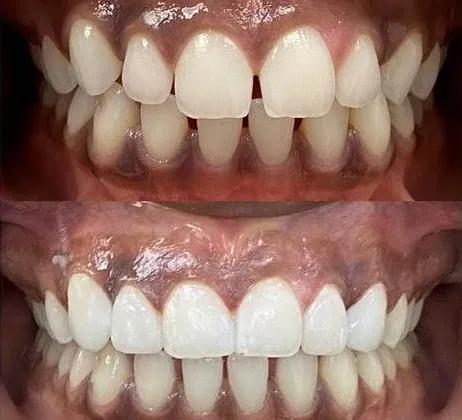
Gaps between teeth are a common dental concern that can affect the appearance of a smile and, in some cases, the way the teeth function. A small space between the front teeth may simply be a natural feature, while larger or newly developing gaps can sometimes be associated with changes in the gums, tooth position, or missing teeth. Cosmetic dentistry offers several ways to improve these spaces while creating a balanced, natural-looking smile.
The right treatment depends on the reason for the gap, its size, the condition of the surrounding teeth, and the patient's overall oral health. A dental professional can evaluate these factors before recommending an appropriate solution.
Understanding Why Gaps Develop
A gap between two teeth is commonly called a diastema. It can occur for several reasons. Some people naturally have smaller teeth or more space within the dental arch. Others may develop gaps because of changes in tooth position, a large frenum between the front teeth, missing teeth, or certain habits.
Gaps can also become more noticeable over time if gum disease affects the tissues supporting the teeth. For this reason, a professional dental examination is important before beginning cosmetic treatment. Treating only the appearance of a gap without addressing an underlying oral health concern may not provide a lasting result.
Dental Bonding for Minor Gaps
Dental bonding is one of the simplest cosmetic options for closing small spaces. During the procedure, a tooth-colored composite material is carefully applied to the sides of the teeth surrounding the gap. The material is shaped to create a more proportionate appearance and hardened with a curing light.
Bonding can often be completed with minimal removal of natural tooth structure. It may be particularly suitable when the teeth are otherwise healthy, and the gap is relatively small. Because the composite material can stain or wear over time, good oral hygiene and regular dental examinations are important for maintaining the result.
Porcelain Veneers for Smile Enhancement
Porcelain veneers can provide another option when gaps are combined with concerns such as uneven tooth shape, discoloration, or minor wear. These thin restorations are designed to cover the visible front surfaces of selected teeth and can change their size, shape, and overall appearance.
Veneers require careful planning because the amount of tooth preparation and the final shape can influence the appearance of the entire smile. A dentist considers facial proportions, tooth color, gum position, and the relationship between the upper and lower teeth when designing the restoration.
Orthodontic Treatment for Tooth Position
Not every gap should be closed with a cosmetic restoration. When the space results primarily from tooth positioning, orthodontic treatment may be a more appropriate approach. Braces or clear aligners can gradually move teeth into a healthier and more balanced position.
Orthodontic treatment can be especially useful when multiple spaces are present or when gaps are associated with crowding or bite concerns. Moving the natural teeth rather than covering the spaces with restorative material can provide a more comprehensive solution in suitable cases.
Gum Health Matters
Healthy gums are an important part of any cosmetic dental treatment. Inflamed or unhealthy gum tissue can affect the appearance of gaps and may also compromise the stability of the teeth. If gum disease is contributing to tooth movement, addressing the underlying condition should come before cosmetic correction.
Professional cleanings, appropriate periodontal treatment, daily brushing, and cleaning between the teeth can help maintain healthy supporting tissues. Once oral health is stable, cosmetic treatment can be planned with greater confidence.
Closing Larger Spaces
Larger gaps require more careful evaluation because simply adding restorative material may make the teeth appear disproportionately wide. Depending on the cause, a dentist may consider orthodontic movement, veneers, crowns, or replacement of a missing tooth.
When a tooth is missing, restoring the space is not only about improving the appearance of the smile. Missing teeth can affect chewing, neighboring tooth movement, and the overall balance of the bite. A personalized treatment plan can address both aesthetics and function.
Choosing the Right Cosmetic Approach
There is no single cosmetic treatment that is ideal for every gap between teeth. A professional evaluation typically considers the size and location of the space, tooth proportions, gum health, bite, existing restorations, and the patient's desired outcome.
The most conservative option may be appropriate for a small isolated gap, while more extensive spacing may require orthodontic or restorative treatment. Combining treatments can sometimes provide a better result than relying on one procedure alone.
Patients should also have realistic expectations. Cosmetic dentistry can significantly improve the appearance of a smile, but restorations require appropriate care and may eventually need maintenance or replacement. Regular dental visits allow changes to be identified early and help preserve both natural teeth and cosmetic work.
Maintaining a Healthy, Natural-Looking Smile
After treatment, maintaining good oral hygiene is essential. Brushing twice daily with fluoride toothpaste, cleaning between the teeth, limiting frequent sugary foods and drinks, and attending regular dental checkups can help protect the teeth and gums.
It is also important to avoid using the front teeth to bite hard objects, as excessive force can damage bonding, veneers, or natural enamel. Professional guidance on brushing and interdental cleaning can help protect the areas around treated teeth.
Ultimately, closing a dental gap should be about more than creating a visually appealing smile. The healthiest results balance aesthetics, tooth structure, gum health, function, and long-term maintenance. A thorough dental evaluation can help identify why the space exists and determine which treatment is most appropriate. For patients with a missing tooth contributing to a larger gap, dental implant treatment may provide a durable way to replace the missing tooth while supporting both smile appearance and chewing function.
Add a patient-focused call to actionInclude treatment comparison guidance