

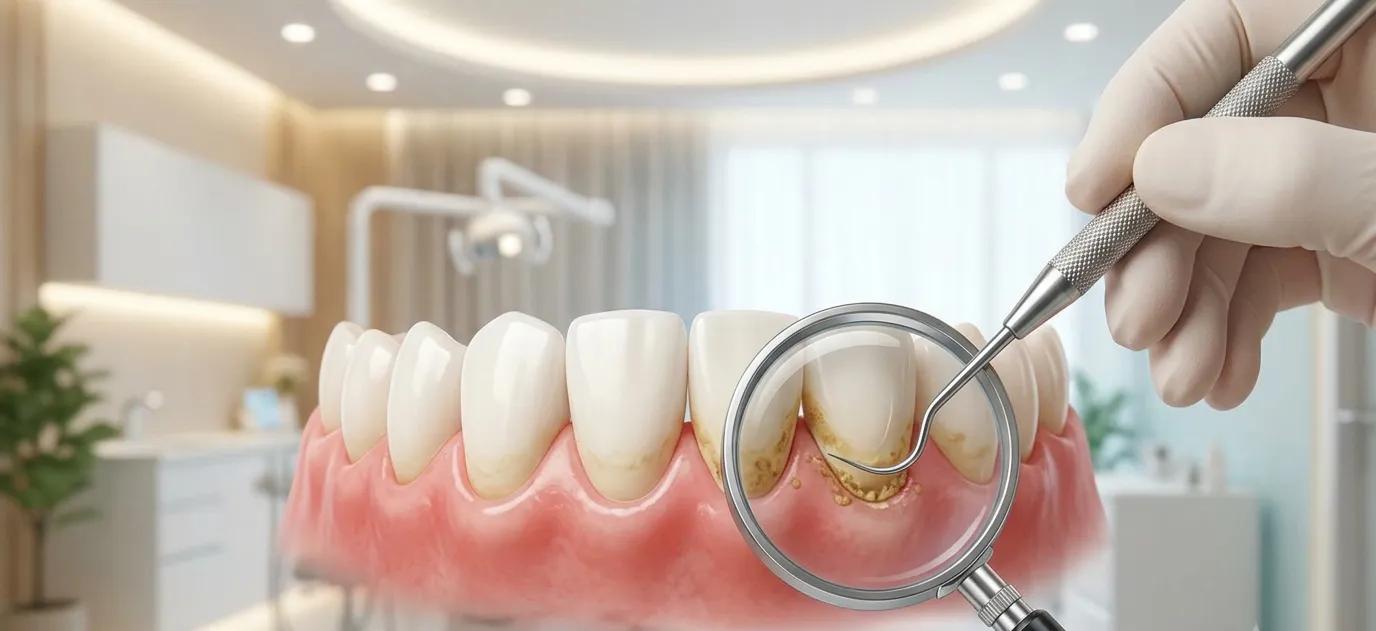
Healthy teeth and gums are essential for maintaining a beautiful smile and supporting overall oral health. However, plaque and tartar can gradually accumulate around the teeth and along the gumline, leading to gum inflammation and periodontal disease. If left untreated, these problems may cause gum recession, persistent bad breath, loose teeth, and even tooth loss. Maintaining good oral hygiene is important, but regular brushing and flossing may not be enough to remove hardened deposits that develop below the gumline. This is where scaling and root planing becomes an important dental treatment.
What Is Scaling and Root Planing?
Scaling and root planing is a non-surgical deep cleaning procedure designed to treat gum disease and improve the health of the tissues surrounding the teeth. Unlike routine dental cleaning, which mainly focuses on removing plaque and tartar from visible tooth surfaces, this treatment targets bacteria and hardened deposits beneath the gumline. The procedure involves two main steps. Scaling removes plaque, tartar, and bacterial buildup from the teeth and below the gumline. Root planing smooths the tooth roots to help prevent bacteria from attaching easily and allows the gums to heal and reattach more effectively to the tooth surfaces.
Dentists generally recommend this treatment when signs of periodontal disease are present, particularly when gum pockets have developed between the teeth and gums.
What Causes Gum Disease?
Gum disease usually develops when plaque accumulates around the teeth and is not removed effectively through daily oral hygiene. Plaque contains bacteria that can irritate the gums and trigger inflammation. Over time, it can harden into tartar, which cannot be removed with regular brushing or flossing.
Several factors can increase the risk of developing gum disease. Poor oral hygiene, smoking, diabetes, hormonal changes, certain medications, and genetic factors may contribute to periodontal problems. Some individuals may also experience gum disease without noticeable discomfort during its early stages. Common warning signs include red or swollen gums, bleeding while brushing or flossing, persistent bad breath, gum tenderness, and gums that appear to be pulling away from the teeth. Recognizing these symptoms early and visiting a dentist can help prevent the condition from progressing.
How Does the Scaling and Root Planing Procedure Work?
Scaling and root planing is performed by a dental professional using specialized instruments designed to clean areas that are difficult to reach with a toothbrush or dental floss. Before starting the procedure, the dentist examines the gums and measures the depth of periodontal pockets. Dental X-rays may also be recommended to evaluate bone health and identify the extent of periodontal damage.
Local anesthesia may be used to keep the patient comfortable during treatment, especially when deeper areas require cleaning. During scaling, the dentist carefully removes plaque, tartar, and bacterial deposits from above and below the gumline.
Once the scaling process is complete, root planing begins. The dentist smooths rough areas of the tooth roots where bacteria and plaque can accumulate. Smoother root surfaces make it easier for gum tissues to heal and reduce the chances of future bacterial buildup. Depending on the severity of gum disease, treatment may be completed in one visit or divided into multiple appointments.
Why Is Early Treatment Important for Gum Health?
Early treatment plays an important role in preventing gum disease from becoming more serious. When plaque and bacteria remain beneath the gumline, inflammation can gradually damage the supporting tissues and bone surrounding the teeth.
As periodontal disease progresses, gum pockets may become deeper, making daily cleaning increasingly difficult. Without professional treatment, the supporting structures of the teeth may weaken, potentially resulting in loose teeth or tooth loss. Scaling and root planing helps control bacterial infection and creates a healthier environment for gum healing. Although it cannot reverse all existing periodontal damage, it can help manage the disease and reduce the risk of further deterioration.
Seeking professional dental care when symptoms first appear can make treatment more manageable and help preserve natural teeth.
What Should Patients Expect After Treatment?
After scaling and root planing, some patients may experience temporary gum tenderness, mild swelling, tooth sensitivity, or slight bleeding. These symptoms generally improve as the gums begin to heal.
Dentists may recommend using a soft-bristled toothbrush, brushing gently, and avoiding foods that irritate sensitive gums for a short period. Patients should continue flossing carefully and follow any specific aftercare instructions provided by their dental professional.
Maintaining good oral hygiene is especially important after deep cleaning. Brushing twice daily, cleaning between the teeth, staying hydrated, and avoiding tobacco products can support healthier gums. Follow-up appointments allow the dentist to evaluate healing, check periodontal pocket measurements, and determine whether additional treatment is necessary. Some patients may also require more frequent periodontal maintenance cleanings to keep gum disease under control.
How Can Patients Prevent Gum Disease From Returning?
Preventing gum disease requires consistent attention to daily oral care and regular professional dental visits. Brushing thoroughly with fluoride toothpaste helps remove plaque from tooth surfaces, while flossing or using interdental cleaners reaches areas between the teeth.
A balanced diet that includes nutritious foods can also support healthy teeth and gums. Limiting sugary snacks and beverages may reduce the risk of plaque-related dental problems. Patients who smoke should consider quitting because tobacco use can interfere with gum healing and increase the risk of periodontal disease.
Regular dental examinations are equally important because gum disease can develop without causing significant pain. Professional cleanings help remove deposits that daily brushing cannot eliminate, while periodontal evaluations allow dentists to identify potential problems before they become severe.
Conclusion
Scaling and root planing is an effective non-surgical approach to managing periodontal disease and protecting the tissues that support natural teeth. By removing harmful bacterial deposits and smoothing tooth roots, this treatment helps reduce gum inflammation and creates better conditions for healing. Combined with consistent oral hygiene and regular dental checkups, it can support long-term periodontal health. Understanding the Benefits of Scaling and Root Planing helps patients make informed decisions about their dental care and take proactive steps toward healthier teeth, stronger gums, and a confident smile.