

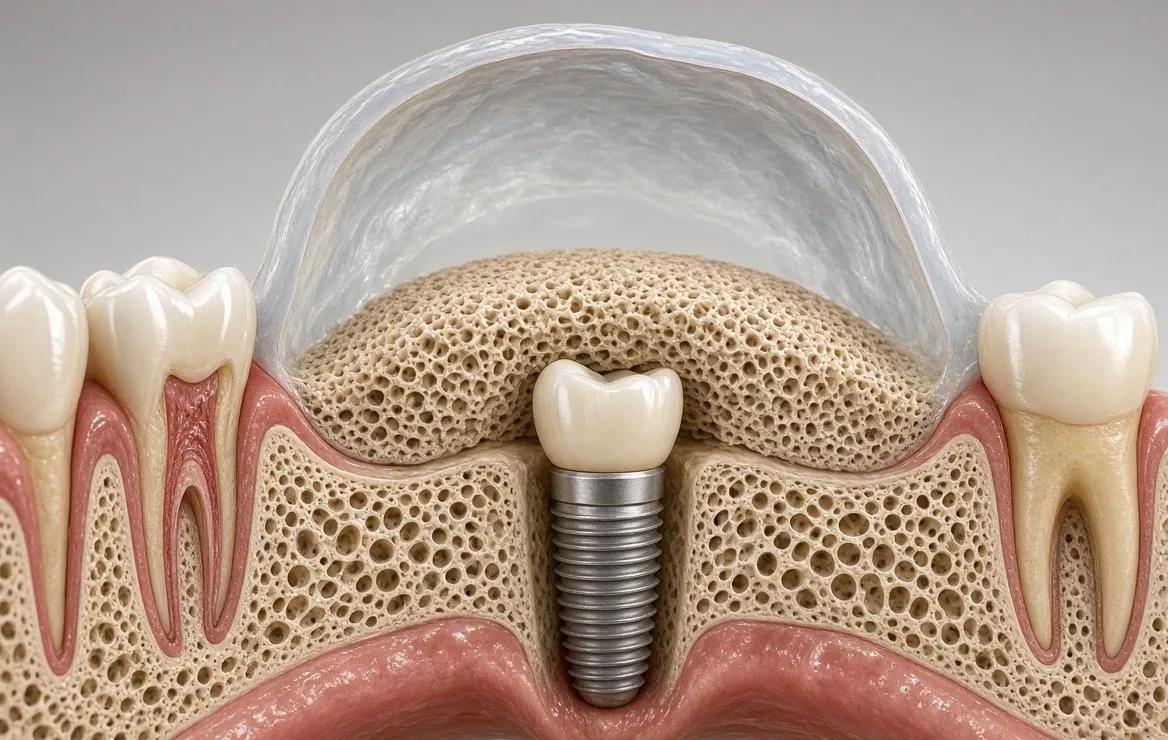
Sinus health and dental health are more closely connected than many people realize. The upper jaw contains structures that sit near the maxillary sinuses, which are air-filled spaces located behind the cheeks and above the upper teeth. Because of this close anatomical relationship, sinus conditions can sometimes affect dental procedures, particularly when replacing missing upper teeth with implants. Understanding this connection helps patients prepare for treatment and maintain their oral health.
Dental implants are widely used to replace missing teeth because they provide a stable foundation for artificial teeth. However, the amount of available jawbone, the location of the sinus cavity, and the presence of sinus inflammation can influence treatment planning. With a thorough examination and appropriate preparation, many patients with sinus concerns can still be suitable candidates for implant treatment.
What Is the Connection Between the Sinuses and Upper Teeth?
The maxillary sinuses are located on either side of the nose, above the upper back teeth. In some individuals, the roots of the upper premolars and molars sit very close to the sinus floor. In other cases, only a thin layer of bone separates these tooth roots from the sinus cavity.
When an upper tooth is lost, the surrounding jawbone gradually begins to shrink because it no longer receives the stimulation provided by the tooth root. Over time, the sinus floor may also expand downward into the space previously occupied by the tooth roots. This process, known as sinus pneumatization, can reduce the amount of bone available for placing dental implants.
Consequently, patients who have lost upper back teeth may require additional evaluation before implant placement. Understanding the relationship between the sinus cavity and the jawbone allows dental professionals to determine the safest and most effective treatment approach.
How Can Sinus Problems Affect Dental Implant Treatment?
Sinus problems do not automatically prevent someone from receiving dental implants. However, certain conditions may influence treatment timing, surgical planning, or healing.
Sinusitis: Sinusitis occurs when the sinus lining becomes inflamed, sometimes because of an infection or allergies. Symptoms may include facial pressure, nasal congestion, headaches, and discomfort around the upper teeth. Active or significant sinus disease may need medical evaluation and treatment before elective implant surgery.
Insufficient jawbone: When the upper jaw lacks adequate bone height, an implant may not have enough support. This is particularly common near the maxillary sinuses after the loss of back teeth. Additional procedures may be recommended to create sufficient bone support.
Existing sinus conditions: Chronic sinus inflammation, nasal polyps, or a history of sinus surgery may require additional assessment. A dentist may recommend consultation with an ear, nose, and throat specialist when the patient's medical history or symptoms indicate a need for further evaluation.
Communication between the mouth and sinus: In some circumstances, upper-jaw surgery or tooth extraction can create an opening between the oral cavity and the maxillary sinus. Although uncommon, this complication requires prompt professional assessment and appropriate management.
Identifying these concerns before surgery helps reduce avoidable complications and supports better treatment outcomes.
What Is a Sinus Lift Procedure?
A sinus lift, also called sinus augmentation, is a surgical procedure designed to increase the amount of bone available in the upper jaw near the maxillary sinus. It may be recommended when the existing bone is too thin or short to support an implant securely.
During the procedure, a dental surgeon carefully elevates the sinus membrane and places bone grafting material beneath it. This creates additional space for bone development. Depending on the patient's needs and the technique used, the implant may be placed during the same procedure or after the graft has healed sufficiently.
The healing period varies according to the amount of bone grafting required, the patient's health, and the surgical approach. A sinus lift is not necessary for every patient. Detailed imaging and a clinical examination help determine whether bone grafting is appropriate.
How Dentists Evaluate Sinus Health Before Implant Placement
A comprehensive assessment is an important part of implant planning. The dentist reviews the patient's medical and dental history, including previous sinus infections, chronic congestion, allergies, sinus surgery, and medications that could affect healing.
Clinical examinations help identify oral infections, gum disease, and other conditions that may need attention before surgery. Dental imaging provides additional information about the jawbone and the position of the sinus floor.
In many cases, cone-beam computed tomography (CBCT) is used to produce three-dimensional images of the upper jaw and surrounding structures. These images help the dental professional assess bone height, bone width, sinus anatomy, and potential abnormalities.
If imaging or symptoms suggest active sinus disease, a referral to a medical professional may be appropriate. Coordinating dental and medical care can help establish a suitable treatment timeline and address concerns before implant placement.
Tips for Maintaining Sinus and Oral Health
Maintaining good oral hygiene and managing sinus conditions can support overall treatment preparation and recovery. Patients considering implants can take several practical steps.
Maintain daily oral hygiene: Brush twice daily with fluoride toothpaste and clean between teeth to reduce plaque buildup and gum disease.
Attend regular dental examinations: Routine visits help identify infections, gum problems, and bone changes before they become more complicated.
Manage existing sinus conditions: Follow medical advice for allergies or chronic sinusitis, and seek evaluation for persistent or worsening symptoms.
Avoid smoking: Smoking can impair healing and increase the risk of implant complications.
Follow postoperative instructions: After sinus-related surgery, follow the surgeon's guidance about nasal pressure, nose blowing, sneezing, medications, and activity restrictions.
Patients should not assume that every episode of congestion requires delaying implant treatment. The decision depends on the severity of symptoms, the underlying cause, and the planned procedure.
When Should You Seek Professional Advice?
Persistent facial pressure, unexplained pain in the upper back teeth, recurrent sinus infections, or ongoing nasal congestion may warrant professional evaluation. Dental infections can sometimes contribute to sinus inflammation, while sinus problems can produce discomfort that feels similar to a toothache.
Seek prompt dental or medical advice if symptoms develop after implant surgery, especially if there is increasing pain, fever, unusual discharge, or fluid passing between the mouth and nose. Early assessment can help identify the cause and guide appropriate treatment.
Conclusion
Sinus health plays an important role in planning certain upper-jaw tooth replacement procedures. Factors such as sinus inflammation, available jawbone, and the position of the sinus floor can influence the timing and technique of treatment. Careful examination, suitable imaging, and collaboration between dental and medical professionals can help patients receive appropriate care. If you are considering a dental implant, a comprehensive dental assessment can determine your bone requirements, evaluate relevant sinus concerns, and help establish a treatment approach suited to your individual needs.