

Stress is a common part of modern life. Work responsibilities, family commitments, financial concerns, and everyday challenges can all contribute to increased stress levels. While occasional stress is normal, prolonged or chronic stress can affect several aspects of physical health, including oral health. Many people do not realise that their emotional well-being and dental health are closely connected. Managing stress effectively is therefore an important part of maintaining healthy teeth, gums, and an attractive smile.
Understanding the Connection Between Stress and Oral Health
Stress affects the body in different ways. When a person experiences stress, the body releases hormones such as cortisol and adrenaline. These hormones activate the body's natural stress response, which can influence immune function, sleep patterns, muscle activity, and inflammation.
Over time, ongoing stress may contribute to oral health problems. Some individuals develop habits such as teeth grinding, jaw clenching, nail biting, or neglecting their daily dental hygiene routines. These behaviours can gradually affect the teeth and gums. Understanding this connection helps people recognise why stress management should be included in their overall approach to oral care.
Teeth Grinding and Jaw Clenching
One of the most common oral health concerns associated with stress is bruxism, which refers to involuntary teeth grinding or jaw clenching. It frequently occurs during sleep, although some people also clench their teeth while concentrating or dealing with stressful situations.
Repeated grinding places excessive pressure on the teeth and surrounding structures. Over time, it may cause worn enamel, tooth sensitivity, cracked teeth, headaches, and jaw discomfort. Persistent clenching can also contribute to temporomandibular joint (TMJ) problems.
Stress reduction techniques, relaxation exercises, and improved sleep habits may help reduce stress-related grinding. Dentists may also recommend a custom-fitted night guard to protect the teeth from excessive pressure during sleep.
How Stress Can Affect Gum Health
Healthy gums are essential for maintaining strong teeth. Chronic stress may influence the body's immune response and inflammatory processes, potentially making it harder to manage existing gum inflammation.
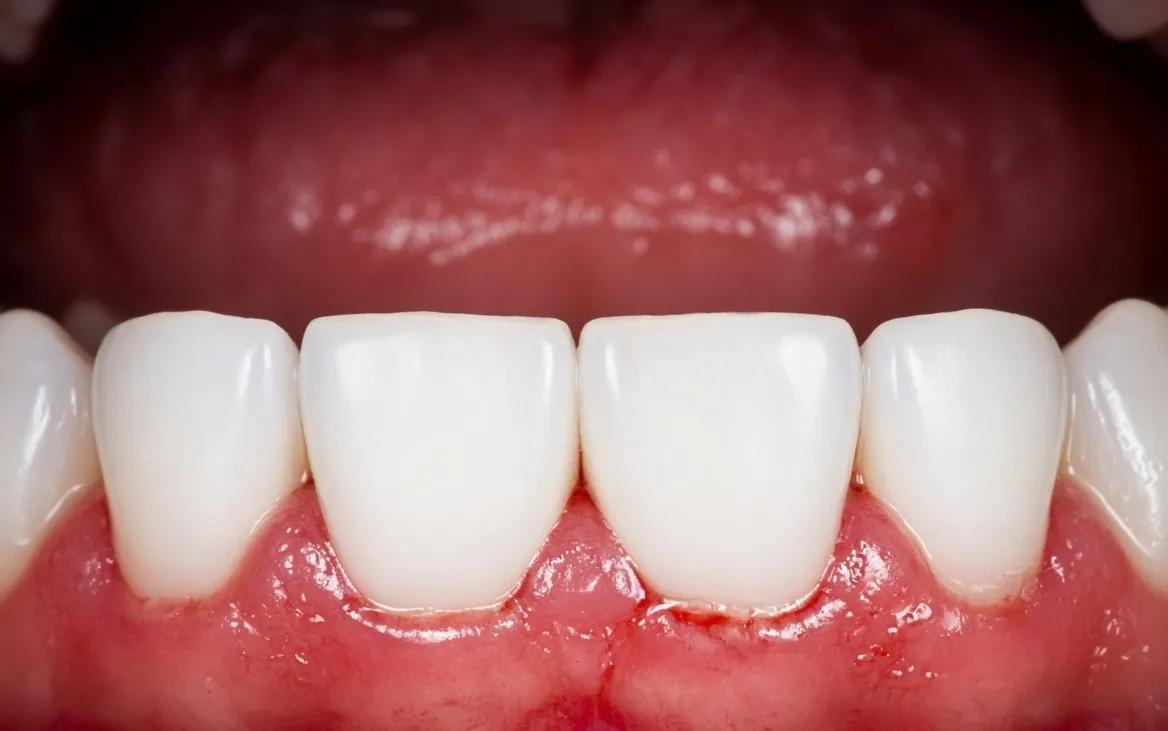
Stress can also contribute indirectly to gum problems when individuals neglect brushing, flossing, or regular dental appointments. Plaque accumulation along the gumline can cause gingivitis, which may lead to redness, swelling, and bleeding. Without proper treatment, advanced gum disease can damage the tissues and bone supporting the teeth.
Maintaining consistent oral hygiene and seeking professional dental care can help protect gum health. Managing stress may also support the body's ability to maintain a healthier inflammatory balance.
Dry Mouth and Increased Risk of Dental Problems
Stress and anxiety can sometimes contribute to dry mouth, particularly during periods of heightened nervousness. Certain medications used to manage stress-related conditions may also reduce saliva production.
Saliva plays an important role in oral health. It helps wash away food particles, neutralise acids, and protect tooth enamel against harmful bacteria. When saliva production decreases, the mouth becomes more vulnerable to tooth decay, bad breath, and oral discomfort.
Drinking enough water, limiting caffeine, and avoiding tobacco can help manage dry mouth. Sugar-free gum may also encourage saliva production. However, persistent dryness should be discussed with a dental professional to identify its underlying cause.
Stress Can Lead to Poor Oral Hygiene Habits
When people feel overwhelmed, maintaining healthy daily routines can become difficult. Some may skip brushing before bedtime, forget to floss, consume more sugary snacks, or rely on caffeinated and acidic beverages to stay alert.
These habits can increase plaque buildup and expose teeth to substances that contribute to enamel erosion and tooth decay. Missing regular dental checkups may also allow minor problems to develop into more serious conditions.
Creating a simple and consistent oral care routine can make a significant difference. Brushing twice daily with fluoride toothpaste, flossing once a day, and attending routine dental examinations are essential steps toward protecting teeth and gums.
Practical Ways to Manage Stress for Better Oral Health
Managing stress does not require major lifestyle changes. Small, consistent improvements can support both emotional well-being and dental health.
Regular physical activity, including walking, cycling, or yoga, can help reduce tension and improve overall well-being. Deep breathing exercises, meditation, and mindfulness can also encourage relaxation and help individuals manage stressful situations more effectively.
Getting sufficient sleep is equally important. Poor sleep can increase stress levels and may contribute to nighttime teeth grinding. Establishing a regular bedtime, reducing screen exposure before sleeping, and maintaining a relaxing nighttime routine can support better rest.
A balanced diet also plays an important role. Eating nutritious foods, limiting sugary snacks, and drinking sufficient water help support healthy teeth and gums. Combining these habits with regular dental visits provides a practical approach to maintaining oral health.
When Should You Visit a Dentist?
Certain dental symptoms should not be ignored, particularly when they appear during periods of increased stress. Persistent jaw pain, frequent headaches, unexplained tooth sensitivity, worn enamel, bleeding gums, and ongoing dry mouth may indicate underlying oral health concerns.
A dental professional can examine the teeth and gums, identify possible causes, and recommend appropriate treatment. Depending on the symptoms, treatment may include a night guard, gum care, restorative procedures, or guidance on improving oral hygiene habits.
Early attention can help prevent minor concerns from developing into more complicated dental problems.
Final Thoughts
Stress management is an important part of maintaining a healthy lifestyle, and its benefits extend beyond emotional well-being. By reducing harmful habits, improving sleep quality, maintaining proper oral hygiene, and attending regular dental checkups, individuals can protect their teeth and gums more effectively. Understanding how chronic stress affects teeth health can help people recognise early warning signs and take appropriate preventive steps. A balanced approach that combines stress reduction with professional dental care can support stronger teeth, healthier gums, and a confident smile for years to come.