

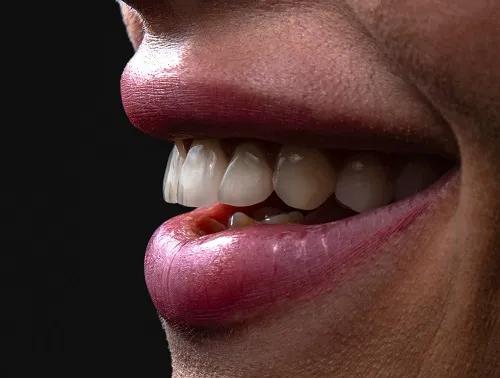
Losing a molar may not seem like a major concern, especially when it is located toward the back of your mouth and is not easily visible when you smile. However, every tooth plays an important role in maintaining proper oral function and balance. A missing molar can gradually affect how you chew, speak, and use your remaining teeth. Leaving the space untreated may also contribute to changes in your bite and surrounding teeth. Understanding the potential consequences can help you make informed decisions about replacing a missing tooth.
It Can Make Chewing More Difficult
Molars are designed to handle much of the heavy work involved in chewing food. Their broad surfaces help break food into smaller pieces before you swallow. When one molar is missing, you may naturally begin relying more heavily on the teeth on the opposite side of your mouth.
Over time, this uneven chewing pattern can place additional pressure on the remaining teeth. Certain foods may also become more difficult or uncomfortable to eat. Instead of allowing the other teeth to compensate indefinitely, replacing the missing molar can help restore a more balanced chewing function.
Nearby Teeth May Shift Into the Empty Space
Your teeth are supported by the surrounding teeth, gums, jawbone, and other oral structures. When a molar is removed, the space can create an opportunity for neighboring teeth to move. The teeth next to the gap may gradually lean or drift toward the open area.
This movement can affect the alignment of your teeth and change the way your upper and lower teeth meet when you bite. Even a small change in tooth position can influence your overall bite. Keeping the teeth properly aligned is one reason dentists often recommend discussing replacement options rather than simply leaving the gap untreated.
Your Jawbone Can Lose Stimulation
Teeth are connected to the jawbone through their roots. When a tooth is present, normal activities such as chewing provide stimulation to the surrounding bone. After a molar is lost, that stimulation is reduced in the area where the tooth once existed.
Over time, the bone surrounding the missing tooth may gradually shrink. This process, known as bone resorption, can change the shape and structure of the jaw in that particular area. The amount of bone loss varies from person to person, but addressing tooth loss sooner may provide more options for future treatment. For some patients, a dental implant may be considered because it replaces the tooth root as well as the visible portion of the tooth. A dentist can evaluate your oral health, bone structure, and individual needs to determine which replacement option may be appropriate.
It Can Affect Your Bite and Remaining Teeth
A missing molar does not necessarily remain an isolated issue. As surrounding teeth shift and chewing habits change, your bite can gradually become less balanced. Some teeth may begin receiving more force than they were designed to handle.
This additional pressure can contribute to excessive wear or discomfort in certain circumstances. You may also notice that your teeth come together differently when you close your mouth. Maintaining a stable bite is important for comfortable everyday activities such as eating and speaking. Regular dental examinations can help identify changes early. If you have already lost a molar, your dentist can examine the space and discuss whether replacement is recommended based on your overall oral condition.
It May Affect Your Overall Smile and Oral Health
Although a missing molar may be difficult for other people to see, it can still influence the appearance and function of your smile. Changes in tooth position can eventually become more noticeable, while an untreated gap can make cleaning around neighboring teeth more challenging.
When teeth shift, areas that were previously easy to clean may become harder to reach with a toothbrush or floss. This can allow plaque to accumulate around the teeth and gums. Maintaining good daily oral hygiene remains important, but replacing a missing molar may also help restore the natural arrangement of your teeth and support better oral function.
What Should You Do If You Are Missing a Molar?
If you have lost a molar, it is worth scheduling a dental examination rather than assuming the gap will not cause problems. Your dentist can assess the condition of the surrounding teeth, gums, bite, and jawbone before recommending an appropriate solution.
Depending on your individual situation, replacement options may include a dental implant, dental bridge, or partial denture. Each option has different benefits and considerations, so treatment should be based on your oral health, preferences, and long-term goals.It is also important to maintain regular dental visits after losing a tooth. Professional examinations allow your dentist to monitor changes in the area and identify potential concerns before they become more complicated.
Restore Function and Confidence
A missing molar may seem like a minor dental concern, but its effects can develop gradually. From changes in chewing and tooth alignment to jawbone changes and bite problems, ignoring tooth loss may create challenges that could have been addressed earlier. If you have a missing molar, talking with your dentist about replacement options can help protect your remaining teeth and support a healthier mouth. With the right treatment plan, you can restore comfortable function while working toward a confident smile makeover that complements your overall dental health.