

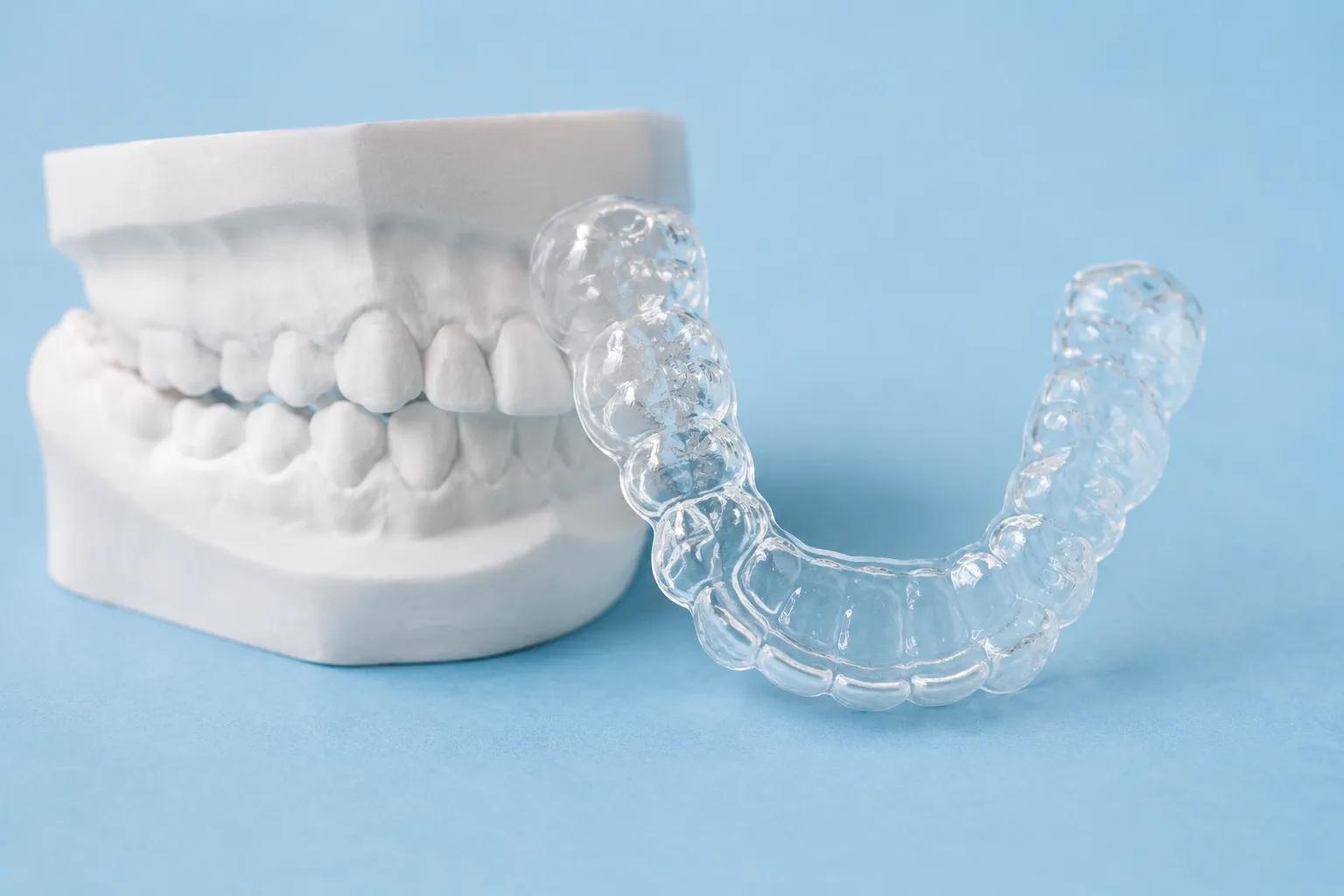
Bruxism, commonly known as teeth grinding or clenching, is a condition that can affect the teeth, jaw, and overall oral health. People who grind their teeth may do so during sleep or unconsciously during the day. If you are considering orthodontic treatment and experience bruxism, you may wonder whether it can make the process more complicated. The good news is that teeth grinding does not automatically prevent someone from receiving clear aligner treatment. However, it may require additional planning, monitoring, and care from a dental professional.
What Is Bruxism?
Bruxism occurs when a person repeatedly clenches or grinds their teeth. Some people experience it while sleeping, while others develop daytime habits related to stress, concentration, or certain lifestyle factors. Mild and occasional grinding may not cause significant problems, but frequent or intense bruxism can place considerable pressure on the teeth and jaw.
Over time, bruxism may contribute to worn tooth surfaces, small cracks, tooth sensitivity, jaw discomfort, headaches, and damage to existing dental work. Because orthodontic treatment changes the position and relationship of the teeth, uncontrolled grinding is an important factor for a dentist or orthodontist to consider before treatment begins.
Why Can Bruxism Affect Orthodontic Treatment?
Orthodontic treatment works by applying controlled pressure to gradually move teeth into more desirable positions. Bruxism introduces additional forces because grinding can place repeated pressure on the teeth and surrounding structures.
When someone has significant bruxism, these additional forces may make treatment more challenging. The aligners can experience greater wear, particularly if a person clenches strongly or grinds frequently. In some cases, excessive grinding may also affect how well an aligner fits over time. This does not necessarily mean treatment will fail. Instead, it means the dental professional may need to take the patient's grinding habits into account when creating and monitoring the treatment plan.
Can Bruxism Damage Clear Aligners?
Clear aligners are designed to be worn for much of the day and are made from durable dental-grade plastic. However, they are not completely resistant to heavy grinding.
Someone who regularly grinds their teeth may notice scratches, rough edges, cracks, or other signs of wear. Severe grinding could potentially shorten the useful life of an aligner. If an aligner becomes damaged or no longer fits correctly, it is important to contact the dental provider rather than continuing to wear it without guidance. Regular dental appointments allow the provider to check both the teeth and aligners throughout treatment. If excessive wear is noticed, adjustments to the treatment approach may be considered.
Does Bruxism Make Teeth Movement More Difficult?
Bruxism does not necessarily stop teeth from moving, but it can create additional stress during orthodontic treatment. Teeth are supported by surrounding bone and tissues, and excessive biting forces can influence overall comfort during treatment.
Some patients may experience more tenderness or jaw fatigue when they combine orthodontic tooth movement with frequent clenching. This is why an accurate assessment before treatment is important. A dentist can evaluate the condition of the teeth, bite, gums, and jaw before deciding whether clear aligners are appropriate. In certain cases, treating or managing bruxism alongside orthodontic care can make the overall experience more comfortable and predictable.
How Can a Dentist Manage Bruxism During Treatment?
The first step is identifying the severity and pattern of the grinding. A dental professional may ask about symptoms such as morning jaw soreness, headaches, tooth sensitivity, or visible wear on the teeth. They may also examine the bite and look for signs of enamel damage.
Depending on the situation, the dentist may recommend strategies to reduce clenching and protect the teeth. Stress management, improved sleep habits, awareness of daytime clenching, and other individualized approaches may be useful. Patients should also follow their aligner instructions carefully. Removing aligners when eating and cleaning them properly can help maintain their condition. Most importantly, patients should report unusual discomfort, significant aligner damage, or changes in their bite to their dental provider promptly.
What About Nighttime Teeth Grinding?
Nighttime bruxism can be particularly challenging because people may not realize how strongly they are clenching or grinding while asleep. If grinding occurs regularly during sleep, a dental professional may need to consider how it interacts with orthodontic treatment.
A customized approach may be necessary depending on the severity of the condition. In some cases, the provider may monitor the patient more closely throughout treatment to ensure the teeth and aligners remain healthy. It is important not to use a separate dental appliance with clear aligners without professional guidance. Different appliances are designed for different purposes, and combining them incorrectly could interfere with tooth movement or treatment results.
Signs You Should Discuss With Your Dentist
If you grind your teeth and are considering orthodontic treatment, tell your dentist about your symptoms before beginning. Signs that may indicate significant bruxism include flattened or chipped teeth, frequent jaw soreness, morning headaches, tooth sensitivity, facial discomfort, or noticeable damage to dental restorations.
Even if you are unsure whether you grind your teeth, your dentist may be able to identify physical signs during an examination. Early recognition can help create a more appropriate treatment plan and reduce the risk of complications.
Maintaining Good Oral Health During Treatment
Good oral hygiene becomes especially important when undergoing orthodontic treatment. Keeping teeth and gums clean helps reduce the risk of cavities and gum problems while the teeth are being moved.
Patients should clean their aligners according to their dental provider's instructions and maintain regular brushing and flossing. Regular dental checkups can also help identify tooth wear, gum concerns, or other changes associated with bruxism. Taking care of the aligners and following the recommended wearing schedule can also support consistent treatment progress. If grinding causes noticeable damage, the dental provider should be informed as soon as possible.
Final Thoughts
Bruxism can make orthodontic treatment require more attention, but it does not automatically mean that clear aligner treatment is unsuitable. With a thorough dental evaluation, appropriate monitoring, and good oral-care habits, many people who grind or clench their teeth may still be candidates for Invisalign treatment. Discussing your bruxism openly with your dentist before treatment begins is the best way to determine the safest and most effective approach for your individual smile.