

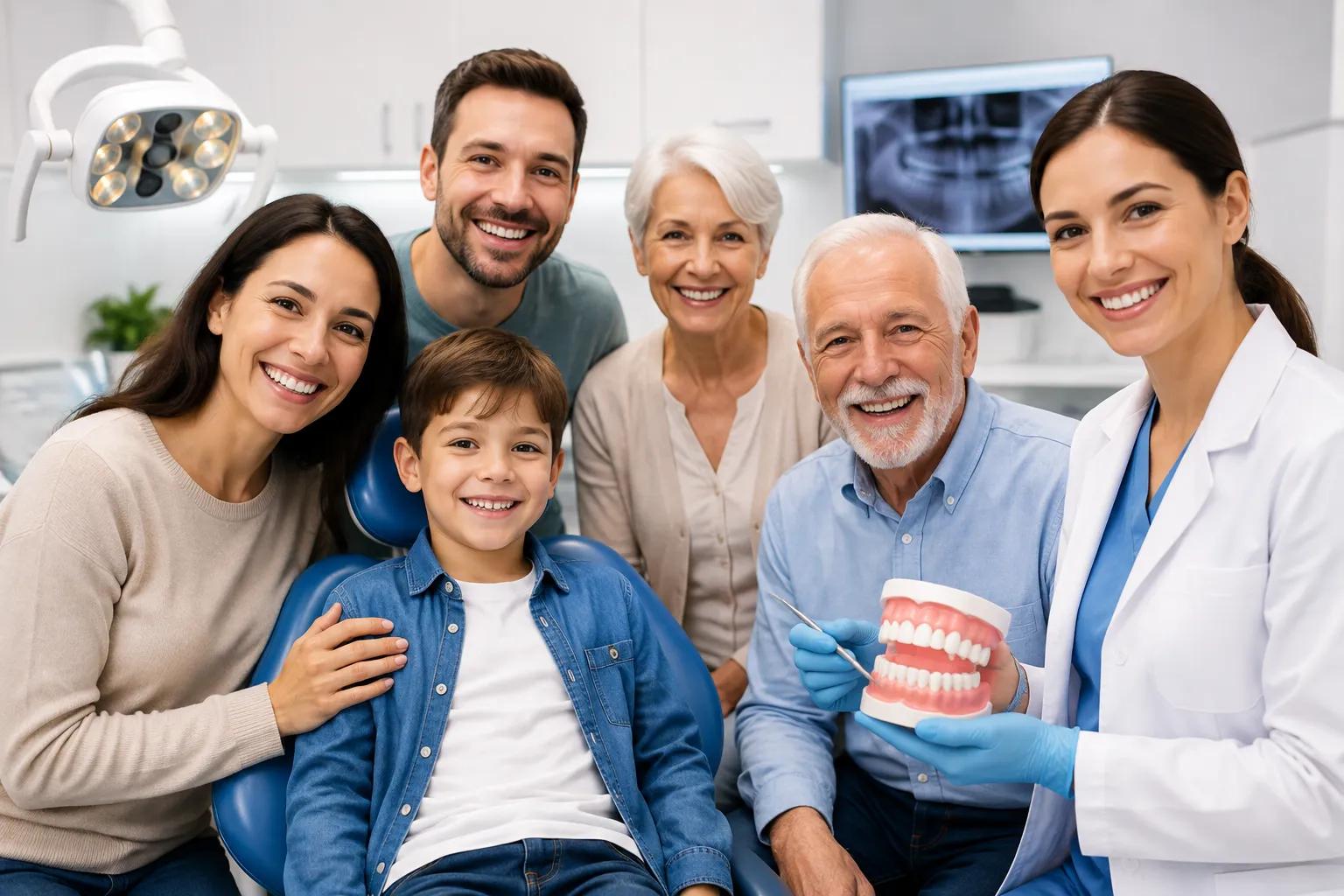
Dental care is important at every stage of life, but the needs of a child are very different from those of an adult or older family member. A family dentist can provide continuous care as these needs change, helping patients develop healthy habits and maintain strong teeth over the years. Regular dental visits can also make it easier to identify concerns before they become more complicated. Starting preventive care early gives children a positive foundation while helping parents understand how daily habits affect long-term oral health.
Helping Children Develop Good Dental Habits
Children are still learning how to care for their teeth, which makes guidance from a dental professional especially valuable. Routine examinations allow a dentist to monitor tooth development, identify early signs of decay, and provide age-appropriate recommendations for brushing and flossing. Parents can also receive advice about snacks, sugary drinks, fluoride, and other factors that may influence children's oral health. Creating comfortable dental experiences from an early age can help children become more confident about visiting the dentist as they grow.
Supporting Teenagers Through Changing Dental Needs
The teenage years can bring several changes that affect oral health. Permanent teeth have usually emerged, while orthodontic concerns, sports-related injuries, wisdom teeth, and inconsistent brushing habits may become more important. Teenagers may also become more interested in the appearance of their smiles. A family dental practice can combine preventive care with education, helping young patients understand the importance of protecting their teeth. These regular visits can establish responsible habits that continue into adulthood.
Maintaining Adult Oral Health
Adults often balance dental care with busy professional and family responsibilities, making preventive appointments easy to postpone. However, regular examinations and professional cleanings remain important for maintaining healthy teeth and gums. Dentists can monitor existing restorations, check for cavities, evaluate gum health, and identify changes that may require attention. For individuals interested in improving the appearance of their smiles, cosmetic options such as teeth whitening may also be considered after an appropriate dental evaluation.
Protecting Gum Health Over Time
Healthy gums are an essential part of a healthy smile, yet gum problems can develop gradually without causing noticeable discomfort in their early stages. Signs such as bleeding while brushing, persistent bad breath, swollen gums, or gum recession should not be ignored. Depending on the condition, a dental professional may recommend improved home care, professional cleanings, or periodontal treatment. Regular monitoring becomes particularly valuable for adults because addressing gum concerns early may help prevent more advanced complications.
Replacing Missing Teeth With Modern Options
Tooth loss can affect more than appearance. Missing teeth may influence chewing, speech, bite alignment, and the overall function of the mouth. When appropriate, a dental implant can provide a durable option for replacing a missing tooth by supporting a restoration that resembles the function and appearance of a natural tooth. However, treatment is not identical for every patient. A dentist needs to evaluate factors such as oral health, bone support, gum condition, and overall treatment goals before recommending an appropriate solution.
Caring for Seniors and Changing Smiles
As people age, their dental needs can become more complex. Older adults may experience dry mouth, increased sensitivity, gum recession, tooth wear, or problems associated with existing dental work. Certain medications can also affect saliva production and contribute to oral discomfort or a higher risk of decay. Regular dental examinations allow these changes to be monitored. Personalized preventive care can help seniors maintain comfortable and functional smiles while identifying concerns that may otherwise interfere with eating, speaking, or everyday quality of life.
Making Preventive Care a Family Routine
One advantage of choosing a family-focused dental practice is the ability to make oral healthcare part of the household routine. Parents can schedule regular examinations for children while also keeping up with their own preventive appointments. This approach can make it easier to remember professional cleanings, examinations, and follow-up care. It also encourages family members to view dental health as an ongoing responsibility rather than something that only requires attention when pain or other symptoms appear.
Choosing a Dental Team for Long-Term Care
Finding the right dental professional involves more than considering individual treatments. Families should look for a practice that emphasizes preventive care, clear communication, patient comfort, and treatment planning based on individual needs. Patients searching for a dentist in Lewisville may benefit from choosing a team that can provide consistent care through different stages of life. A trusted relationship with a dental professional can make it easier to discuss concerns, understand treatment options, and maintain a personalized oral health plan.
Making Every Generation's Smile a Priority
A healthy smile is built through consistent care, professional guidance, and habits that continue throughout life. From teaching children how to brush correctly to helping adults protect their gums and supporting seniors with changing dental needs, family dentistry can provide valuable continuity. At D. Dental, the team focuses on helping patients make informed decisions about their oral health at every stage. For families seeking a dentist in The Colony, establishing regular dental care can be an important step toward maintaining healthy, confident smiles for years to come.