

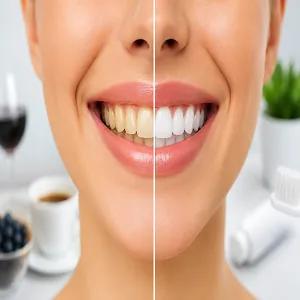
A brighter smile can improve your confidence and make your teeth look healthier and more attractive. However, teeth whitening does not always produce the even, natural-looking results people expect. Certain mistakes during or after the whitening process can cause some teeth to appear lighter than others, leaving behind noticeable patches or inconsistent shades. Understanding these common mistakes can help you approach whitening more carefully and achieve a more balanced smile.
Choosing the Wrong Whitening Method
One of the biggest mistakes is choosing a whitening method without considering your individual dental needs. Over-the-counter strips, whitening gels, trays, toothpaste, and professional treatments can work differently depending on the condition of your teeth. If your teeth have existing discoloration, dental restorations, enamel wear, or other concerns, a generic whitening product may not provide uniform results. Consulting a dental professional before treatment can help determine which approach is appropriate for your smile.
Applying Whitening Products Unevenly
Whitening products need to come into contact with the tooth surfaces consistently. If strips are positioned incorrectly, trays do not fit properly, or whitening gel is applied unevenly, certain areas may receive more whitening treatment than others. This can create lighter patches or visible differences between teeth. Following the product instructions carefully and using properly fitted whitening trays can help minimize this problem.
Whitening Teeth With Existing Dental Restorations
Whitening treatments generally affect natural tooth enamel, but dental restorations such as crowns, veneers, bridges, and some fillings may not respond to whitening agents in the same way. If you whiten your natural teeth without considering existing restorations, your smile may become uneven because the natural teeth change shade while the restoration remains the same color. For this reason, anyone with visible dental restorations should discuss whitening with a dentist before beginning treatment. A dental professional can evaluate the restorations and recommend an approach that helps maintain a more consistent appearance.
Using Whitening Products Too Frequently
Another common mistake is assuming that more whitening will automatically produce better results. Repeatedly using whitening products or leaving them on longer than recommended does not necessarily make teeth whiter. Instead, excessive use can increase tooth sensitivity and irritate the gums. Overuse may also make differences in tooth color more noticeable. Following the recommended treatment schedule is important for maintaining both the appearance and comfort of your smile.
Ignoring Existing Stains
Not all tooth discoloration responds equally to whitening. Surface stains caused by foods, drinks, tobacco, or poor oral hygiene may respond differently from deeper or internal discoloration. If you begin whitening without addressing the underlying cause of discoloration, some areas may lighten more effectively than others. A professional dental cleaning may be helpful when surface buildup or staining contributes to an uneven appearance. In other cases, a dentist may recommend a different cosmetic treatment if the discoloration does not respond well to conventional whitening.
Whitening Without a Dental Examination
Skipping a dental examination before whitening can also contribute to disappointing or uneven results. Cavities, enamel erosion, gum problems, cracks, and other dental concerns may affect how teeth respond to whitening products. Applying whitening agents to teeth that already have dental problems can also increase discomfort. A dental examination allows your dentist to identify issues that should be addressed before cosmetic treatment. It also provides an opportunity to discuss your desired shade and determine whether whitening is suitable for your teeth.
Using Whitening Toothpaste as the Only Solution
Whitening toothpaste can help remove some surface stains, but it generally does not provide the same whitening effect as professional bleaching treatments. Relying exclusively on whitening toothpaste when deeper discoloration is present may result in subtle or inconsistent changes. Some people may also brush too aggressively in an attempt to remove stains faster. Excessive pressure can contribute to enamel wear and gum irritation. Using a soft-bristled toothbrush and gentle brushing technique is a better approach for maintaining your smile.
Not Following Post-Whitening Care
What you eat and drink after whitening can influence how long your results last. Dark-colored foods and beverages, including coffee, tea, red sauces, and certain berries, can contribute to new staining over time. Smoking and tobacco use can also discolor teeth. Immediately following a whitening treatment, following your dentist's recommendations about food, beverages, and oral hygiene can help protect the results. Maintaining good brushing and flossing habits is equally important for keeping your smile looking clean and consistent.
Expecting Every Tooth to Become Identical
Natural teeth are not always exactly the same color. Differences in tooth shape, enamel thickness, age, and previous dental treatment can affect how individual teeth appear. Expecting every tooth to reach an identical shade may therefore lead to unrealistic expectations. A professional whitening treatment aims to create a brighter and more harmonious smile rather than necessarily making every tooth the same color. Your dentist can help you understand what type of result is realistic based on your natural tooth structure.
How to Achieve More Even Whitening Results
The best way to reduce uneven whitening is to begin with a professional evaluation. Your dentist can assess your teeth, gums, existing restorations, and the type of discoloration you have. Based on this evaluation, they can recommend an appropriate whitening method and provide instructions for safe use. Professional whitening can also offer greater control over the treatment process. Customized trays or in-office procedures can help ensure that whitening products are applied more consistently across the smile. Proper maintenance after treatment can further help preserve an even appearance.
Maintain Your Brighter Smile
Achieving an attractive white smile is not only about the whitening treatment itself. Good oral hygiene, regular dental visits, professional cleanings, and sensible eating and drinking habits all contribute to maintaining your results. Avoiding tobacco and limiting frequent exposure to staining foods and beverages can also help prevent new discoloration. If you are considering teeth whitening, avoid rushing into treatment or using products more frequently than recommended. A personalized approach can help you achieve a brighter, more balanced smile while reducing the risk of uneven results. Speaking with a dental professional before whitening is a valuable first step toward understanding which treatment is right for your teeth.